Embroidery Patch Poster
Your photo on top, the same subject hand-embroidered onto linen below
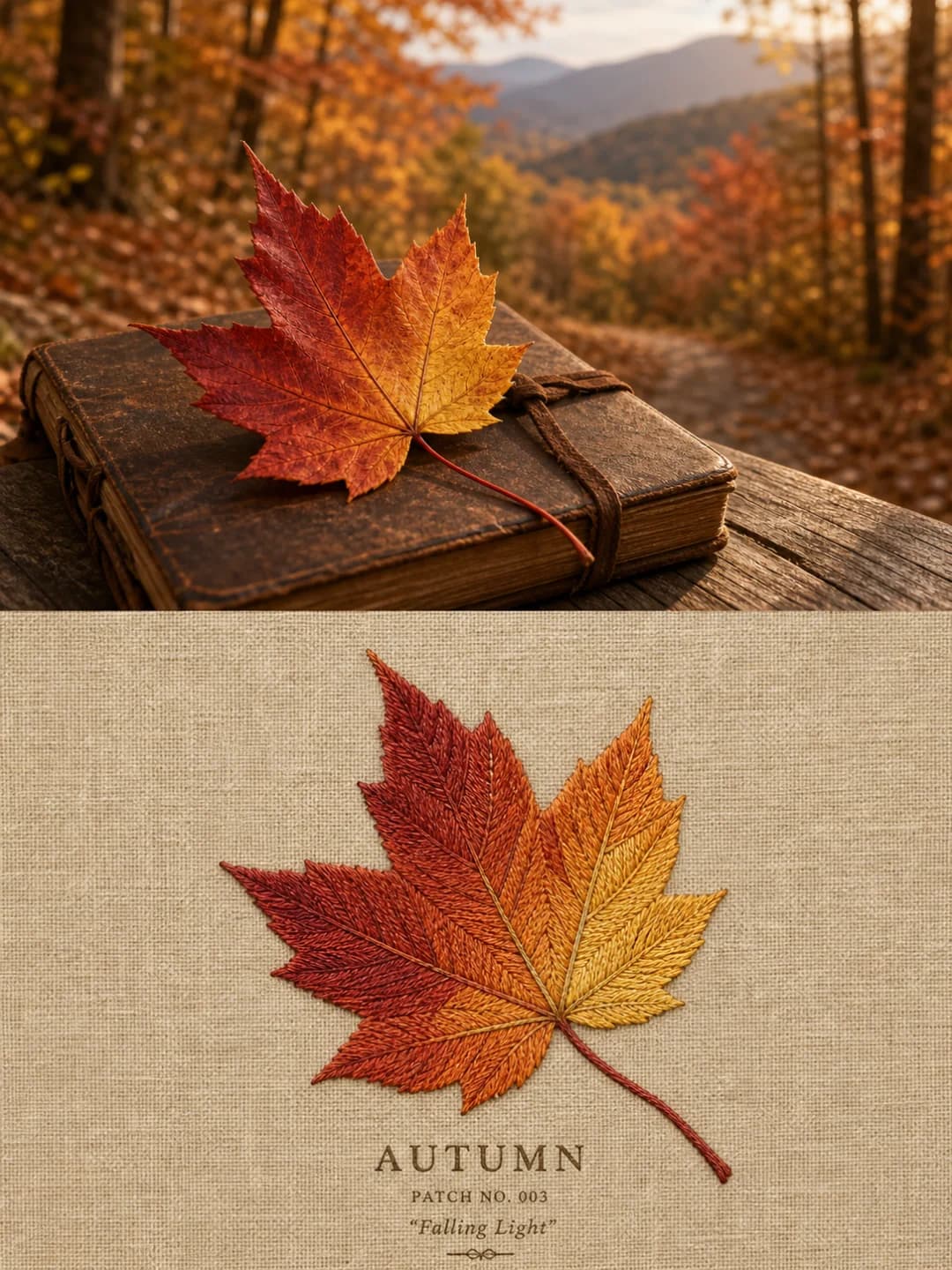
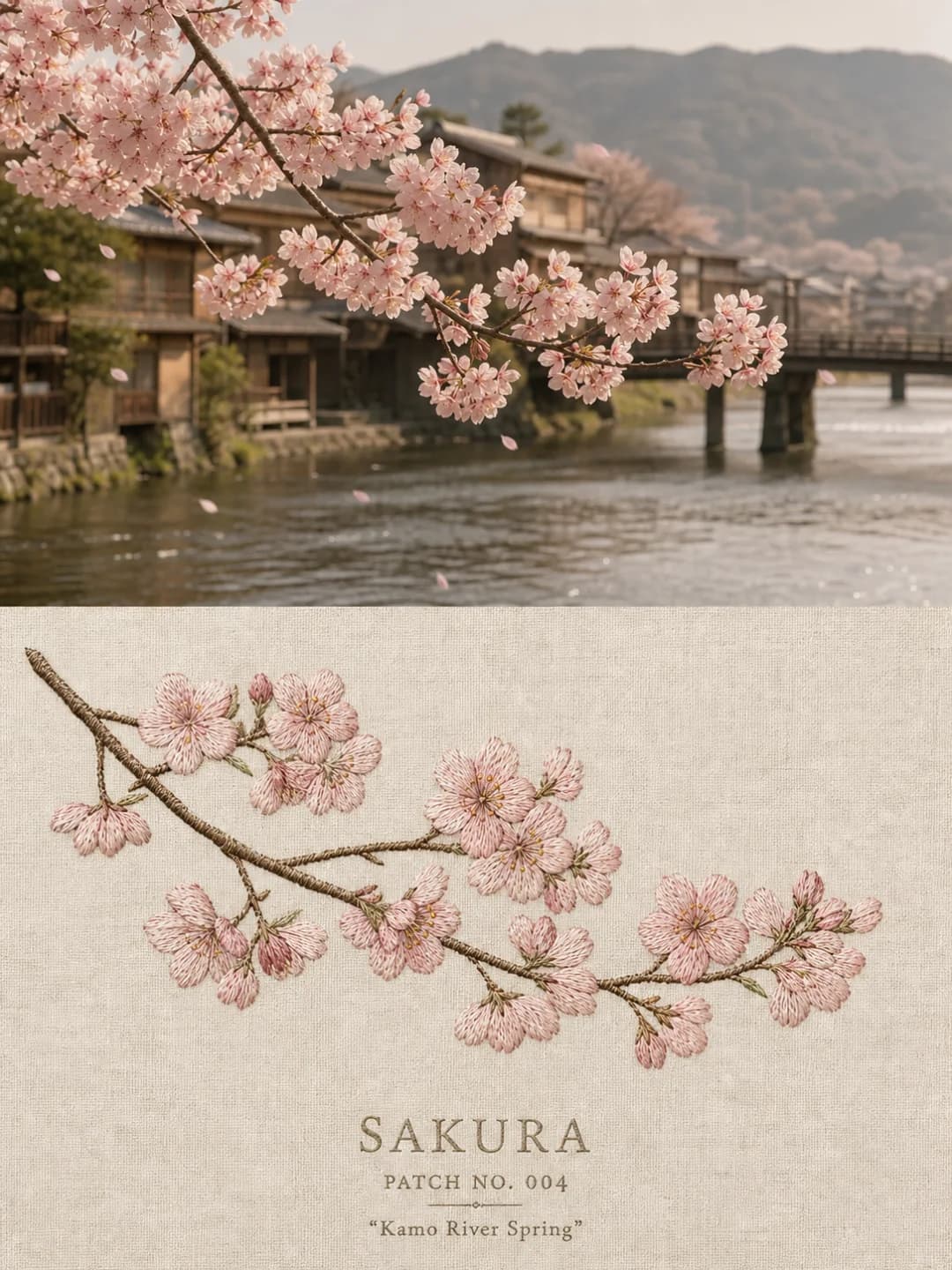
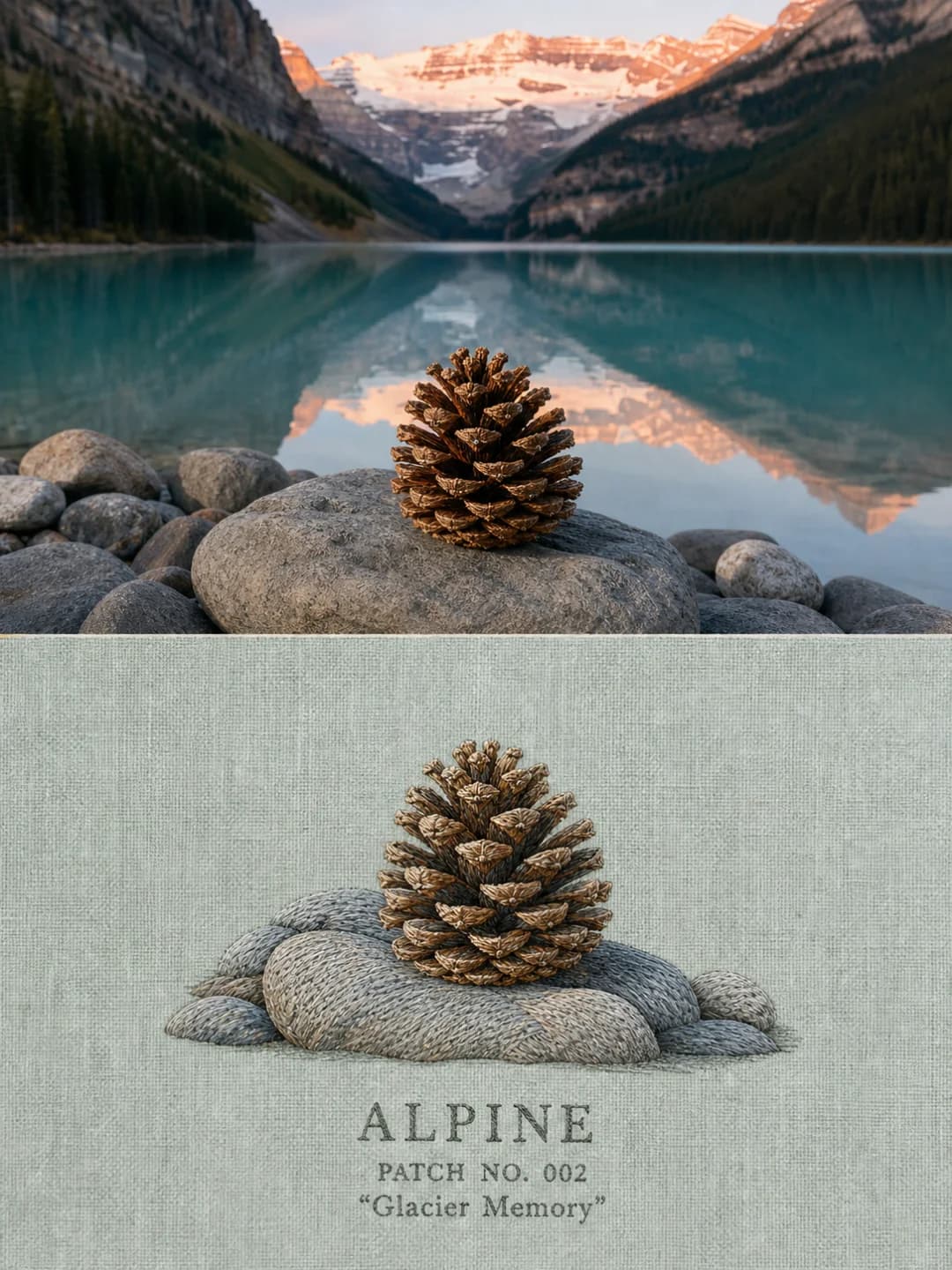
Upload a photo of one clear object and get back a 3:4 poster: your photograph across the top, the same subject stitched underneath onto natural linen in satin, stem and long-and-short stitch, captioned like a specimen card.
100 credits per image · about a minute · New accounts get 500 credits — 5 free images.
Try it with your own photo
New accounts get 500 credits — 5 free images.
Examples
Every image below was made with the prompt on this page.
What is a embroidery patch poster?
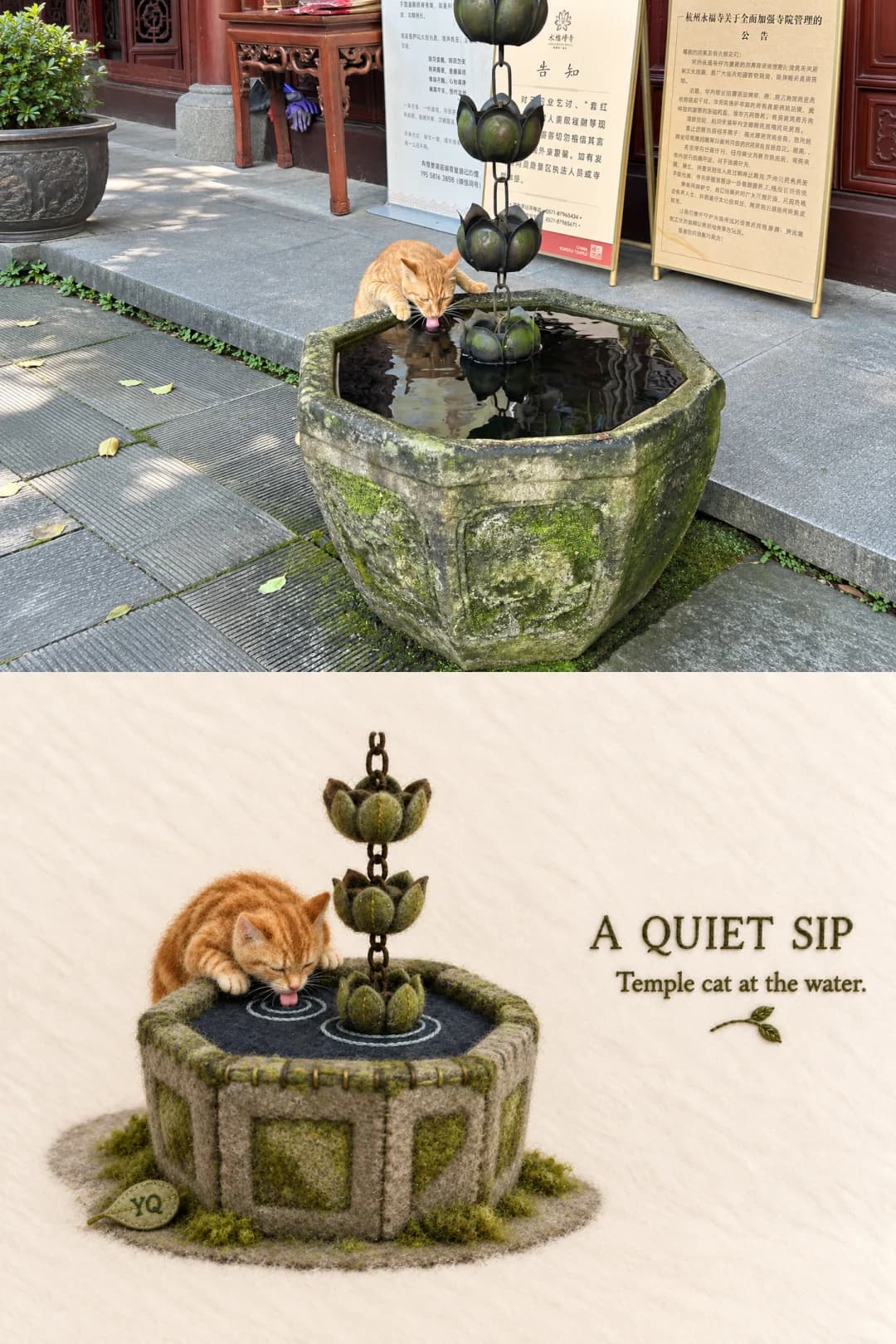
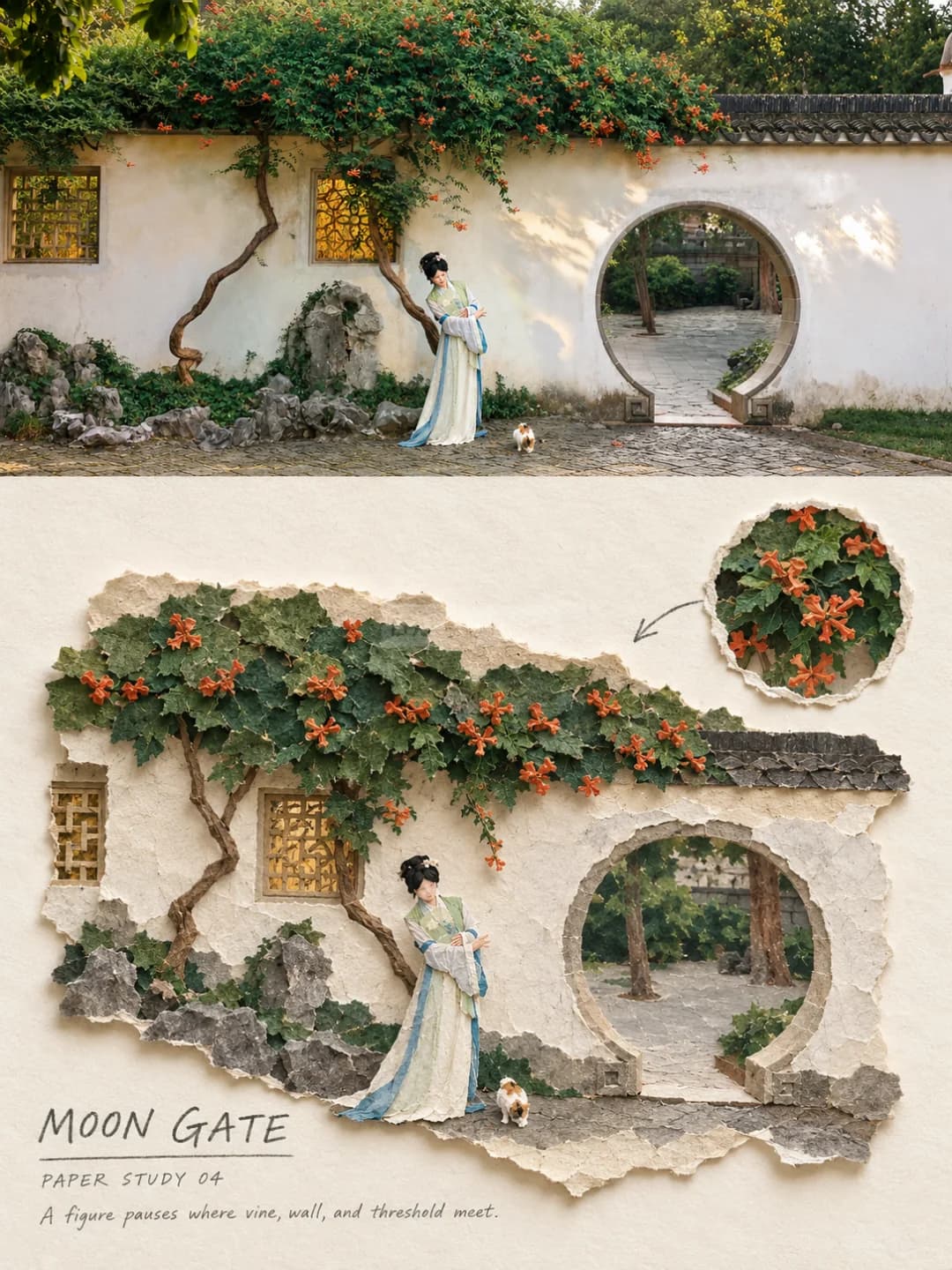
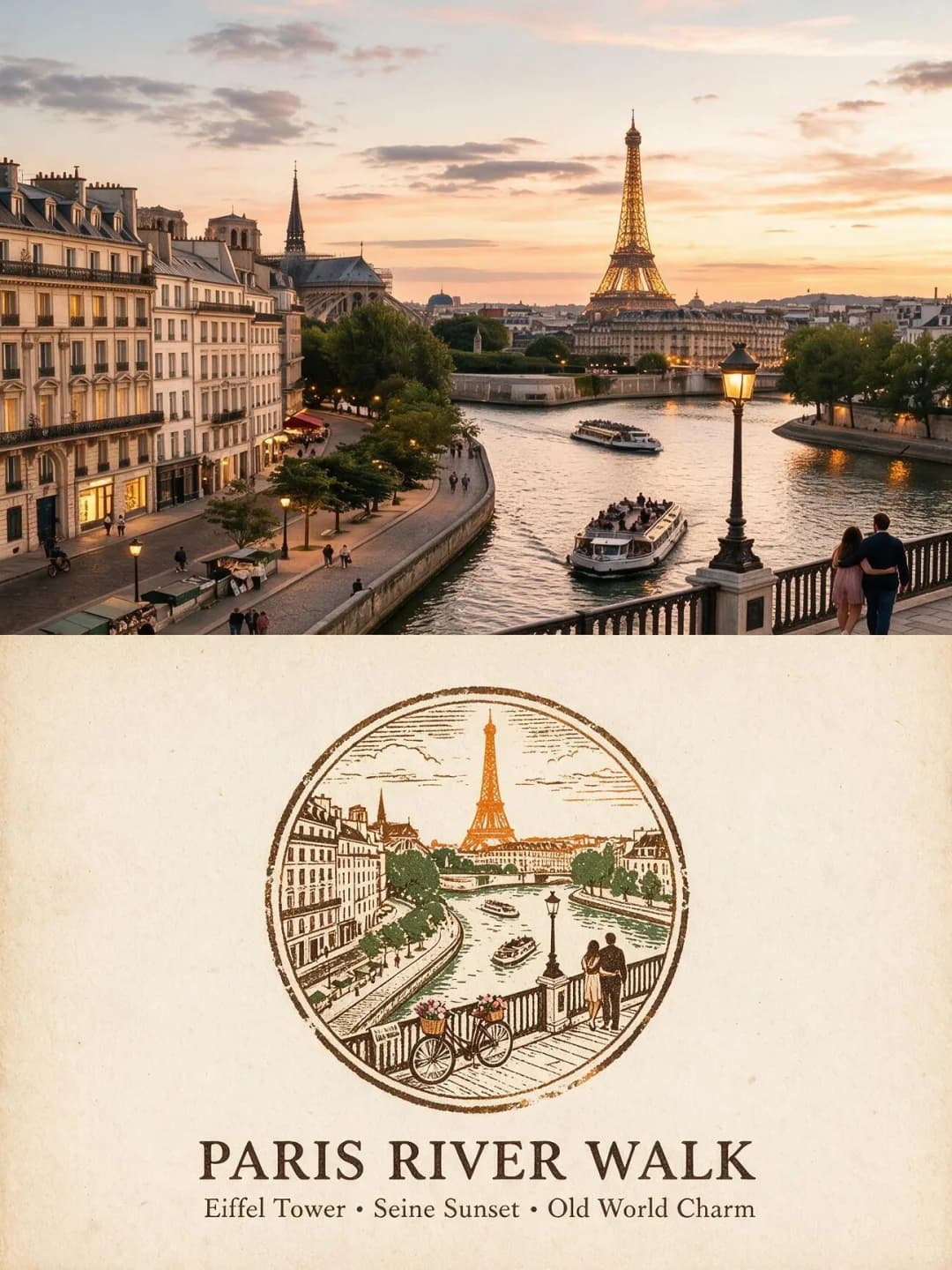
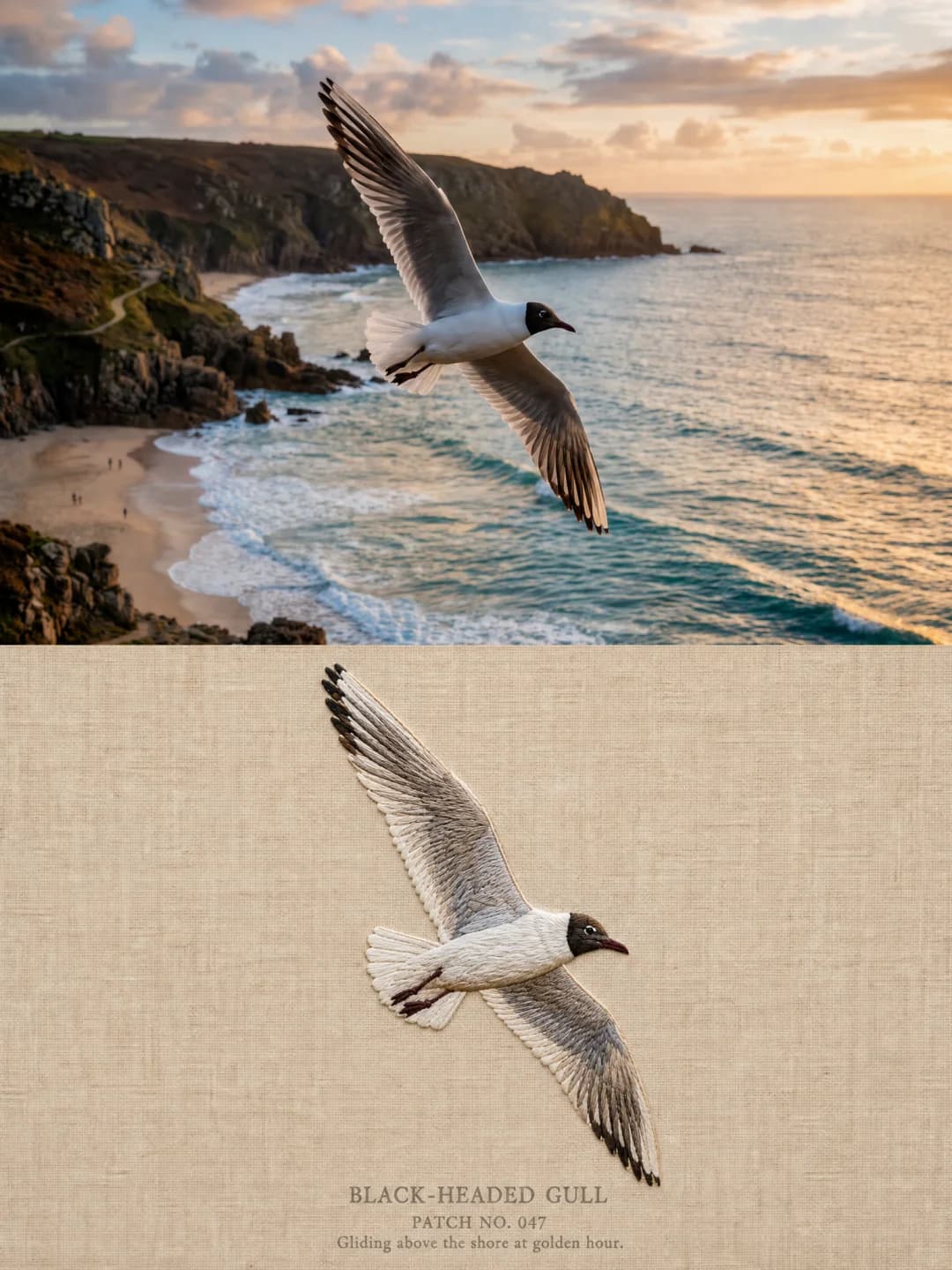
An embroidery patch poster splits a 3:4 frame into two zones. The top is your photograph, graded to a warm, low-saturation editorial register with the background softened but the subject untouched. The bottom replaces it with a natural linen ground and translates the same subject into fine hand embroidery — satin stitch, stem stitch and long-and-short stitch, with real fibre texture, slight relief and stitch direction following the structure of the object. The embroidered subject sits centred in generous empty cloth, captioned in three centred lines: a headline, a PATCH NO., and one short description, set as though stitched rather than typed.
Works well with
One clear object in soft light: a leaf, a pine cone, a flowering branch, a bird in flight, a shell, a single fruit. The prompt asks for one main subject plus at most one or two supporting elements, and embroidery needs a readable silhouette. Natural-history subjects suit it best — it is built to look like a specimen plate.
Struggles with
Crowded scenes, wide landscapes, interiors and portraits. There is nothing for a needle to follow in a busy frame, and the prompt explicitly rules out dense stitching filling the whole picture. Faces are a particularly poor fit: thread flattens features, and the format is a catalogue card, not a portrait.
The prompt behind this tool
This is the full prompt, translated into English. Copy it and use it with any image model that accepts a reference photo.
Turn the uploaded photograph into a 3:4 vertical "photography × embroidery plate" art poster, split into an upper and lower zone, consistent in style, natural, restrained and refined.

Upper zone — real photography, 48-50%
Genuine, natural lifestyle or travel photography. A clear subject, simple composition, one main subject plus at most one or two supporting elements, and a quiet scene with room to breathe. Soft natural light, early morning or golden evening; real materials, real shadows, real photographic quality. The background is moderately soft while keeping its depth, and the colour is low in saturation, warm and refined. Reference the feel of Mediterranean slow living, European travel photography, quiet luxury and editorial photography. Avoid complex scenes, excessive cinematic treatment, strong HDR, exaggerated lighting effects and any obvious AI look.

Lower zone — embroidery translation, 50-52%
Change the background to a high-quality natural linen or cotton-linen ground cloth, and translate the subject from the upper zone into fine hand embroidery. Keep the same subject, a similar posture, contour, proportion and main colours. Render the thread with long and short stitch, satin stitch and stem stitch — thread embroidery, hand-stitched textile illustration — with genuine fibre quality, slight relief, the warmth of handwork, and stitch direction that follows the structure of the object. The embroidered subject is centred with generous empty cloth around it, so the whole reads like a vintage travel plate, a natural history plate or a museum archive card.

Text
Set minimal English typography below the embroidered subject, centred, three lines from top to bottom: a short English headline / PATCH NO. followed by a three-digit number / one short English description. Use a vintage serif or a lightly hand-embroidered face, restrained and refined, not too large, as though stitched into the cloth rather than pasted on by a computer.

Style
Photography × Embroidery, Embroidered Patch Illustration, Vintage Natural History Plate, Editorial Poster Design, Slow Living, Quiet Luxury, Handcrafted Textile Art, Museum Archive Card, Warm Natural Light, Minimal Composition.

Avoid
Cartoon or cutesy treatment, the feel of a commercial advertisement, watermarks, logos, platform marks, dense stitching filling the whole frame, felt, fabric collage, knitting, heavy over-sharp detail, and any real photographic quality appearing in the lower zone.
Frequently asked questions
- Will it change the subject in my photo?
- The top zone is your photograph, graded towards a warm, low-saturation editorial look with the background softened a little; the subject itself is not redesigned. The lower zone is a translation into thread, and there the prompt requires the same subject with a similar posture, contour, proportion and main colours — so it should read as the same object, stitched.
- Can I choose the headline?
- Yes. Type your own headline and description line and the model sets them exactly as written, which is far more reliable than letting it invent them. Leave them blank and it writes its own from what it sees in the photo.
- Can I choose the PATCH NO.?
- No — the number is generated fresh each run. The tool has two text fields, the headline and the description, and the patch number is written by the prompt between them. It is a piece of set dressing that makes the poster read as a catalogued specimen card, not a real catalogue reference.
- What kind of photo works best?
- One clear object against a quiet background, shot in soft light: a leaf, a pine cone, a flowering branch, a bird in flight, a shell, a single piece of fruit. The prompt asks for one main subject plus at most one or two supporting elements, and embroidery needs a readable silhouette to stitch.
- Where do the colours come from?
- From your photo. The embroidery keeps the subject's main colours, translated into thread on a natural linen ground. Expect the palette to come out warmer and less saturated than the original — the whole effect is built around a quiet, low-saturation register.
- What size do I get?
- 2K is 1792 × 2400 pixels, which prints cleanly at poster size. 4K doubles that and costs 200 credits instead of 100.
- Can I use my own prompt instead?
- Not in this tool — it runs one fixed prompt. The full text is published on this page, so you can copy it and run your own variations anywhere that accepts image prompts.
- What happens to my photo?
- It is stored privately so the generator can read it, and deleted on a schedule. It is never made public, never shown to other users, and never used to train a model.