Glass Sculpture Poster
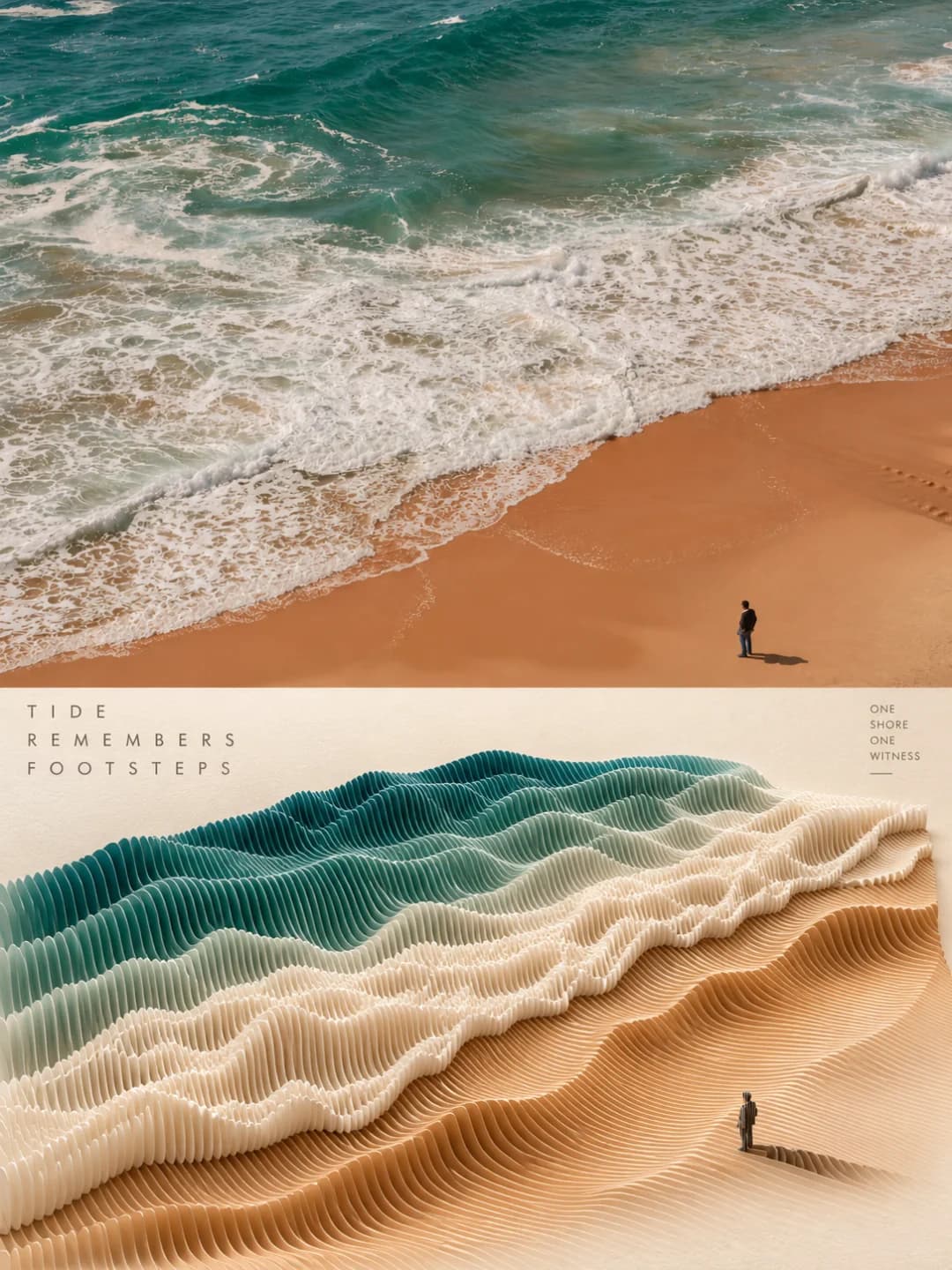
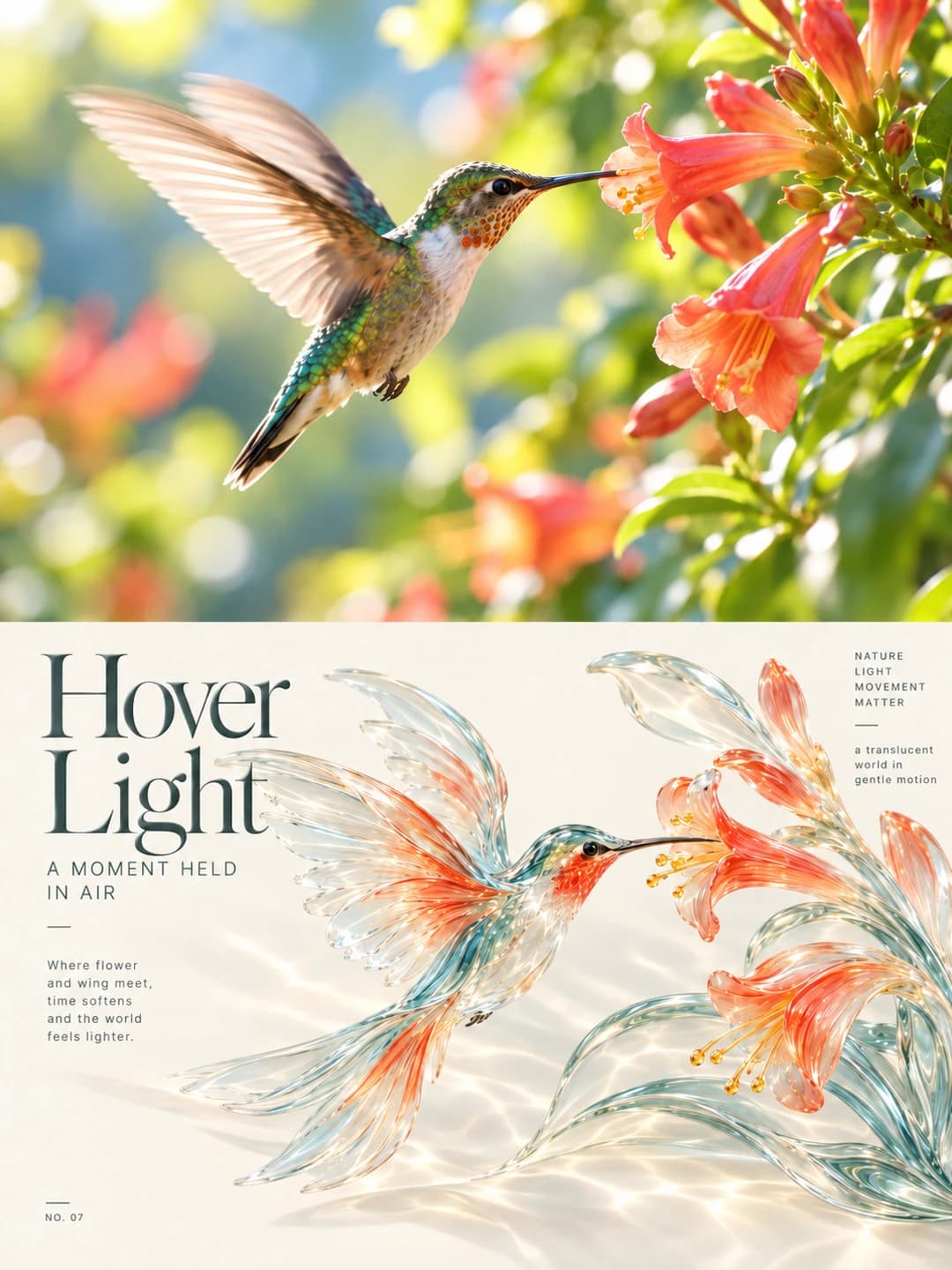
Your photo on top, and the same subject recast as a clear glass sculpture below
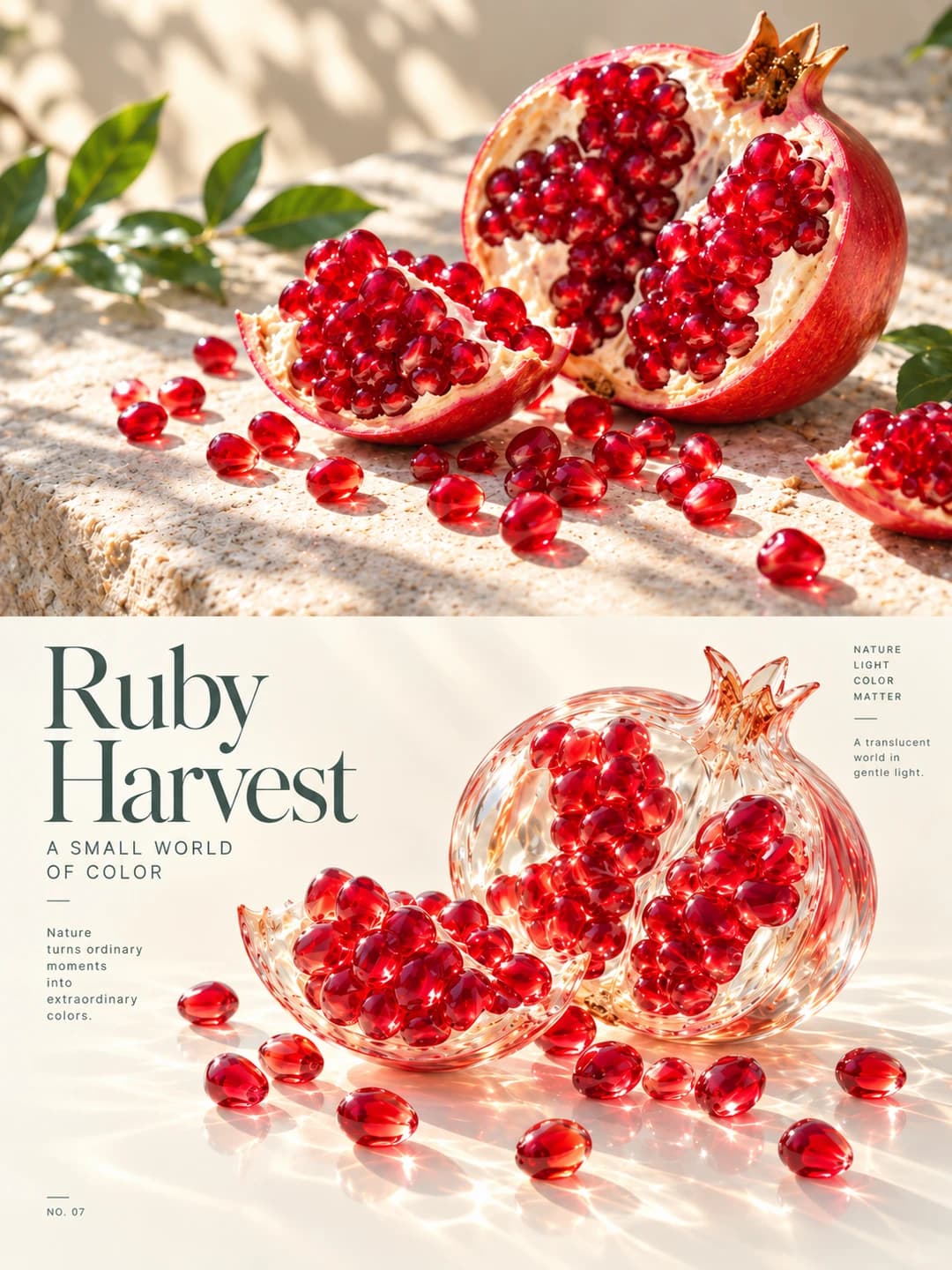
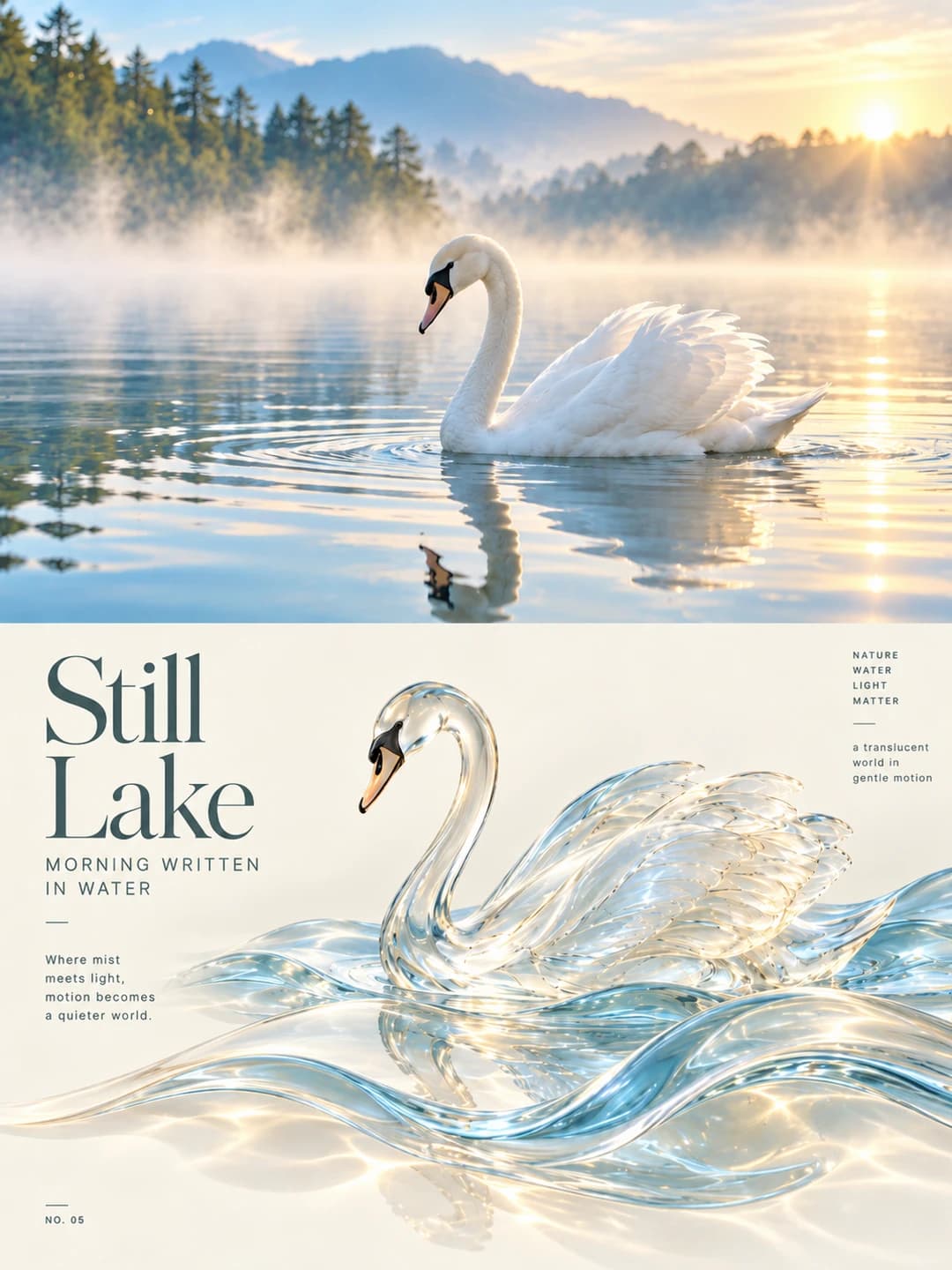
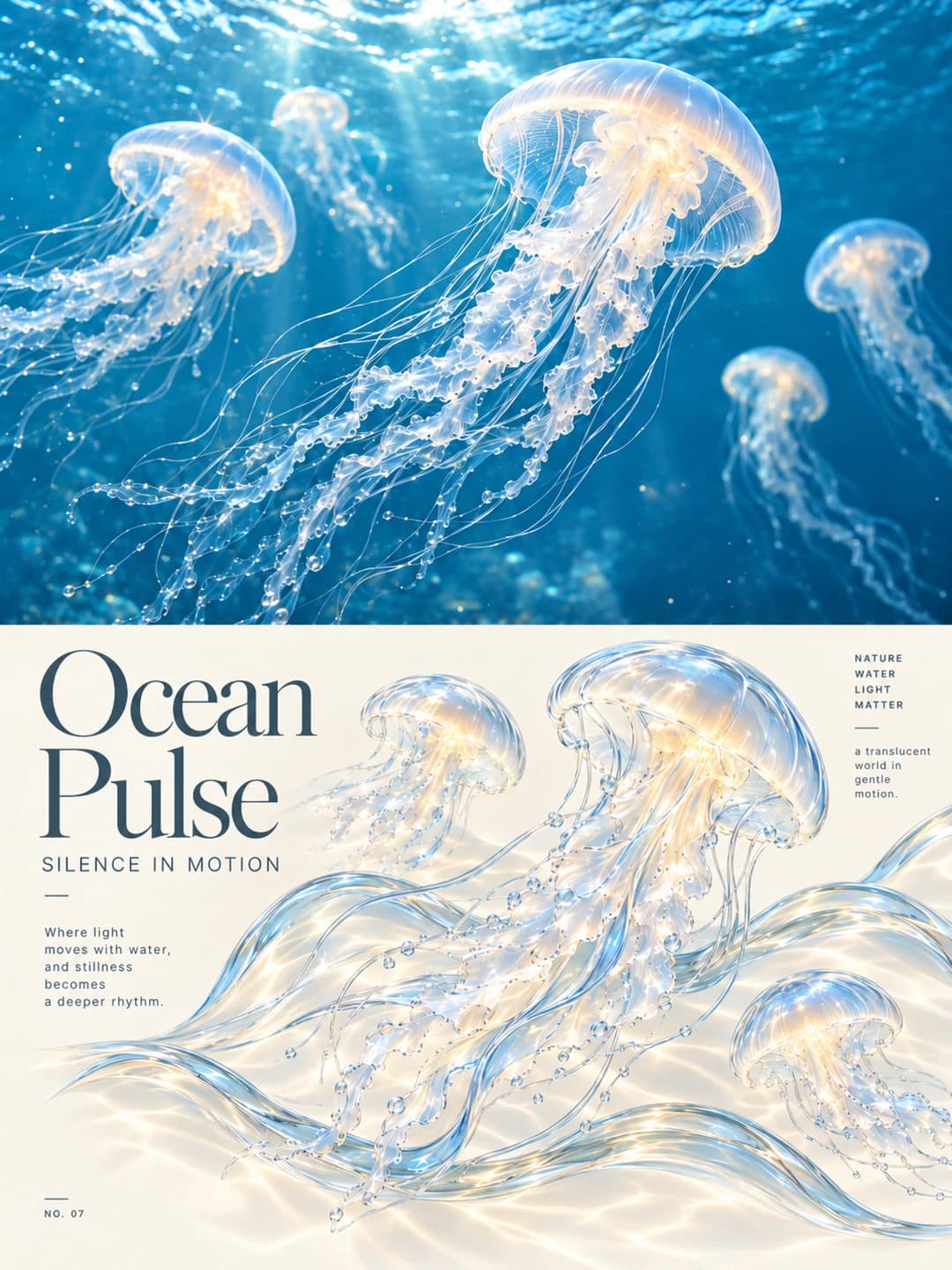
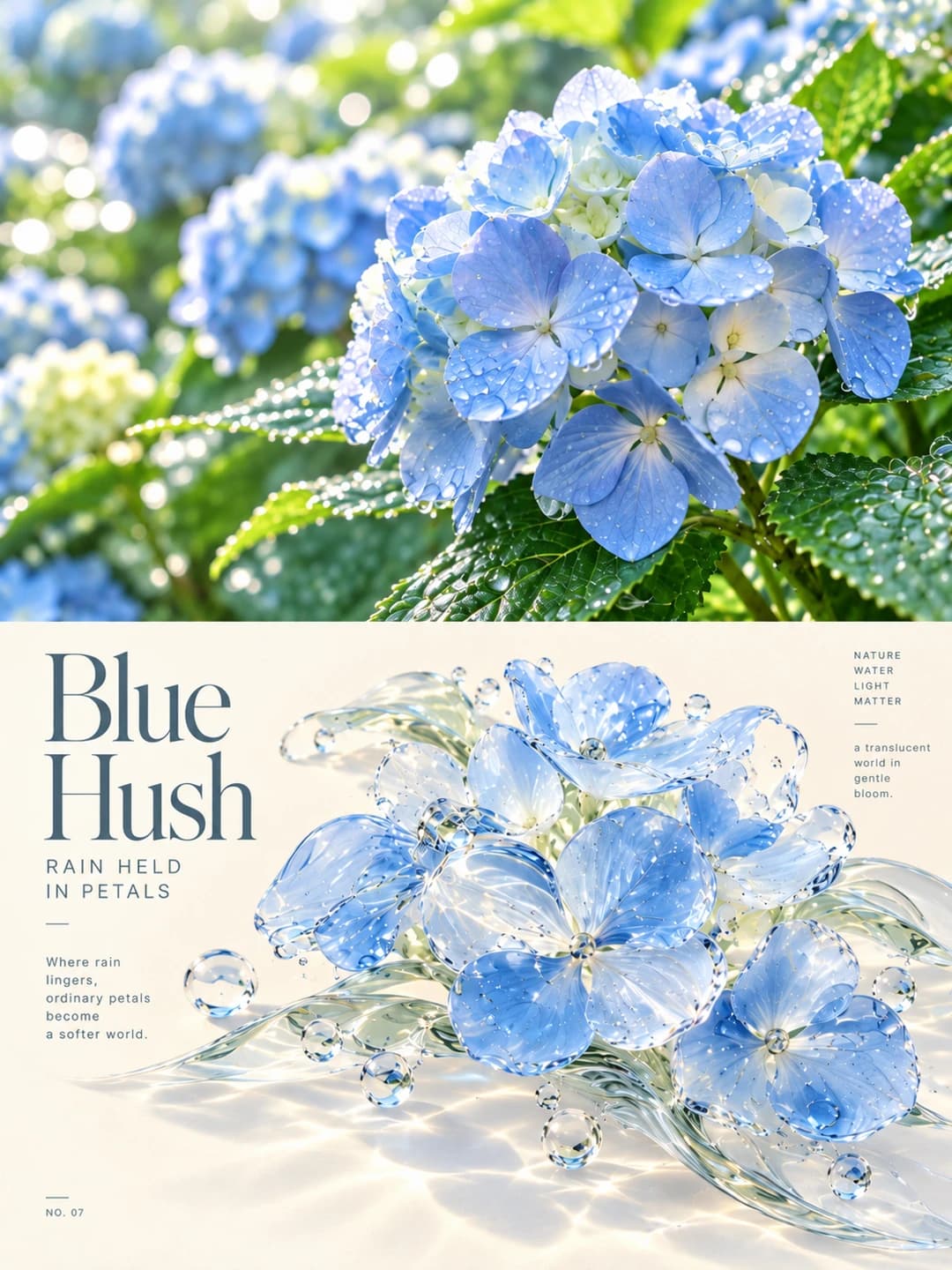
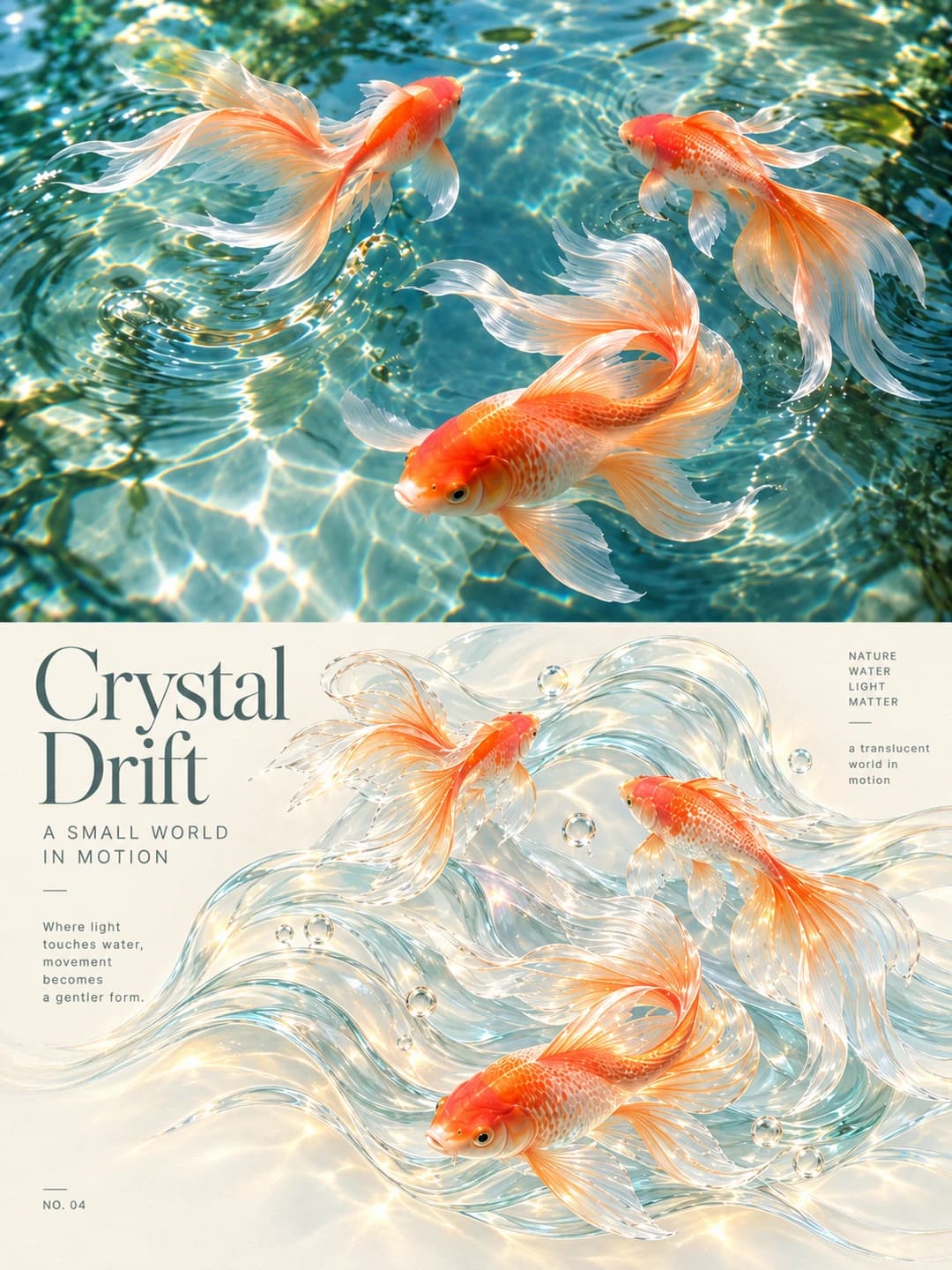
Upload a photo of a flower, an animal, a piece of fruit or a quiet scene and get back a 3:4 poster. The top half is your photo; the bottom half rebuilds the same subject in transparent art glass on cream paper, laid out like an art-magazine spread.
100 credits per image · about a minute · New accounts get 500 credits — 5 free images.
Try it with your own photo
New accounts get 500 credits — 5 free images.
Examples
Every image below was made with the prompt on this page.
What is a Glass Sculpture Poster?
A glass sculpture poster splits a 3:4 vertical frame into two equal halves along a natural horizontal line. The top half is your photograph, with the same subjects, poses and composition, lightly brightened. The bottom half recreates that subject as a delicate sculpture in clear art glass: soft refraction, light passing through, fine highlights and flowing curves, set on warm cream-white paper with plenty of empty space. Two or three colours are taken from the photo and lifted slightly, so a red pomegranate stays ruby red and a blue hydrangea stays blue inside the glass. A short serif title and a line of small text sit in an asymmetric magazine layout.
Which photos work well?
Photos with one clear natural subject against a soft background: a single flower or a cluster of blossoms, a bird, a butterfly, goldfish or jellyfish, cut fruit, shells on sand, a swan on a still lake. Subjects that are already a little translucent or shiny — petals, wings, water, seeds, fins — turn into glass most convincingly. Landscape-shaped photos fit the top half best.
Which photos struggle?
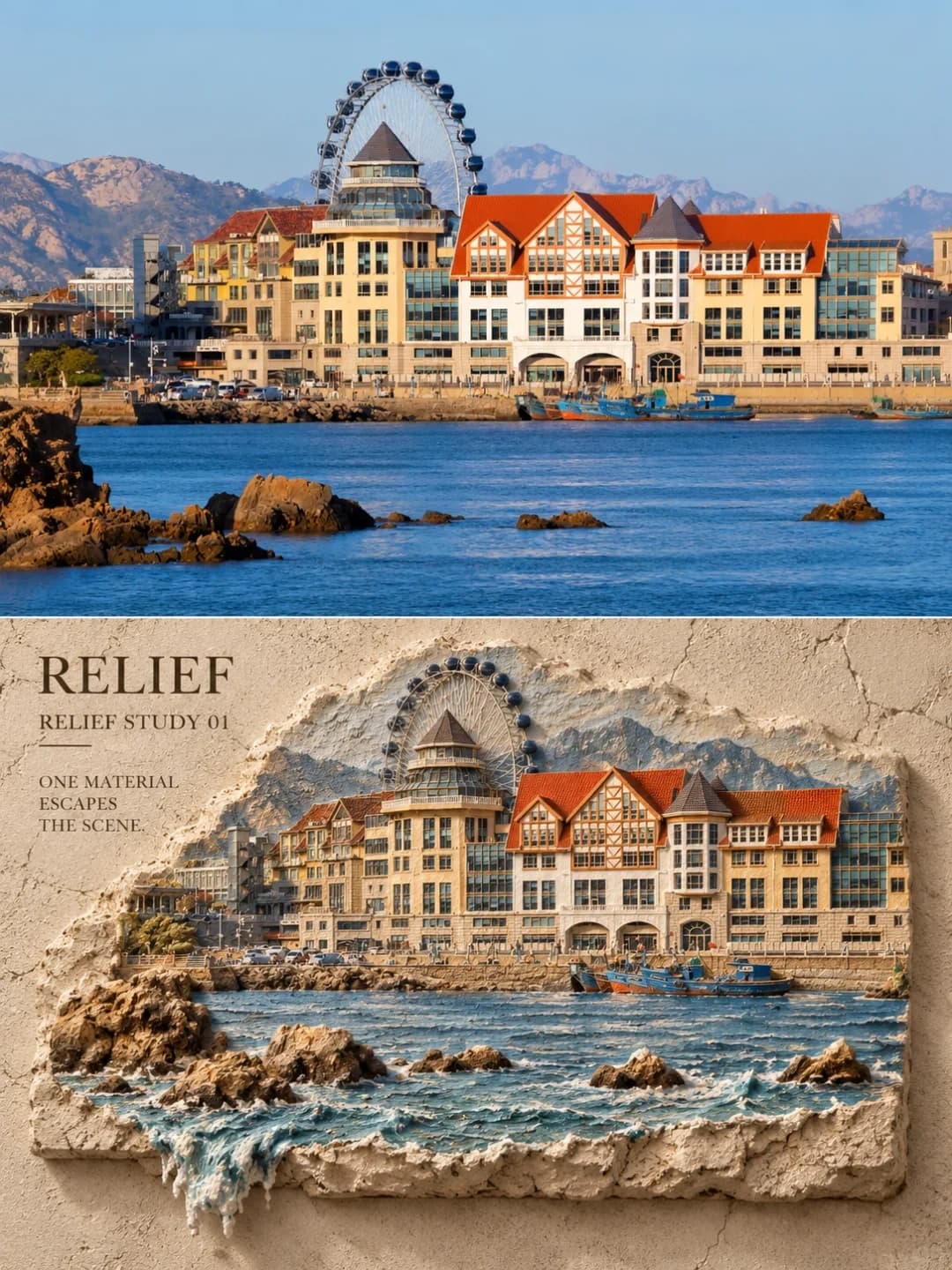
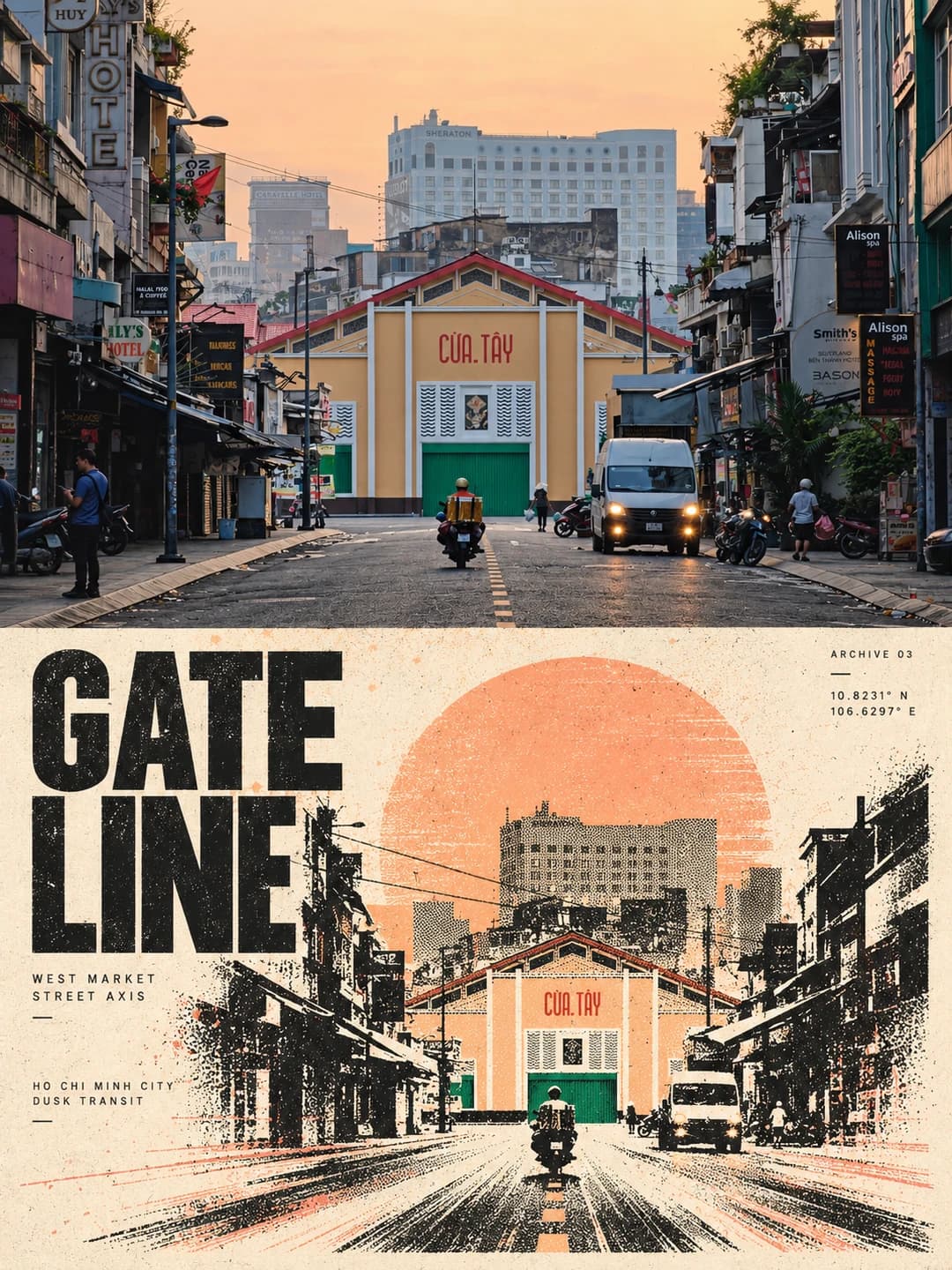
Portraits and group photos — the prompt rebuilds the subject as glass, and a glass person rarely looks like the person. Busy street scenes, crowds and wide city skylines have too many parts to sculpt clearly, and the model simplifies them away. Portrait-shaped photos get cropped hard. If you want the scene rebuilt as layered paper instead of glass, try the paper sculpture poster; for a plaster finish, the plaster relief travel poster.
How to turn a photo into a Glass Sculpture Poster
- 1
Pick an effect
Browse the samples on each tool page to see exactly what you will get before you spend anything.
- 2
Upload your photo
JPEG, PNG or WebP, up to 12 MB. Your photo stays private and is never used to train anything.
- 3
Add your own caption
Most effects let you set the text that appears in the final image, in any language.
- 4
Download the result
You get a high-resolution image, yours to use. 2K is 100 credits, 4K is 200.
The prompt behind this tool
This is the full prompt, translated into English. Copy it and use it with any image model that accepts a reference photo.
Turn this photo into a complete 3:4 vertical diptych poster for a high-end art magazine.

The top and bottom halves each take 50% of the canvas, divided by a natural horizontal line, with no border.

In the top half, keep as much of the original photo as possible: the number of subjects, their outlines and poses, the composition, the perspective and the surroundings. Lift the colour, brightness and natural light a little so the picture feels fresh, bright and clear.

In the bottom half, use the same photo as the visual reference and recreate the subject as a delicate sculpture in clear art glass.

Use crystal-clear glass, soft refraction, natural light passing through, fine highlights and flowing curves, so the subject blends into its setting and the whole piece feels light and alive.

The subject must stay clearly recognisable; this must not be a glass filter laid over the photo.

The background is warm cream-white paper with plenty of empty space. Take two or three main colours from the original photo, raise their saturation and brightness a little, and keep the palette clean, bright and harmonious.

Add a short, readable English serif art title and a little supporting English text, set in the asymmetric layout of an independent art magazine.

Avoid anything that looks plastic or metallic, heavy glare, cheap 3D rendering, a sticker look, and garbled text.

The final output is one high-resolution, complete 3:4 vertical art poster.
Frequently asked questions
Will it change my photo?
- The top half should be your photo with the same subjects, poses and composition; the prompt only allows a small lift in colour, brightness and light. Image models do sometimes redraw a photo anyway, so check the top half before you use the result.
What gets turned into glass?
- The main subject of your photo — a bird, a flower, a fish, a piece of fruit — along with a little of its setting, such as water, leaves or petals. The prompt insists the subject stay recognisable, so it is rebuilt as a glass sculpture rather than covered with a glass filter.
Can I choose the title?
- Yes. Type a title and, if you like, a short line to go under it, and they are written exactly as you typed them. That is more reliable than leaving it to the model, which writes its own short English title and a few small lines of text, and occasionally misspells them.
What language can the title be in?
- Anything you type is copied character for character, including Chinese or Japanese. The layout was designed around a short English serif title, though, so two or three English words look the most at home.
Where do the colours come from?
- From your photo. The prompt picks two or three main colours, raises them slightly and lets them tint the glass, so an orange goldfish stays orange and a blue hydrangea stays blue, while everything else turns clear against the cream paper.
What kind of photo works best?
- One clear subject against a simple background, in good light. Petals, wings, fins, water and seeds become glass very naturally. Faces and crowded scenes do not: a glass person loses the likeness, and a busy street has too many parts to sculpt.
What size do I get and how long does it take?
- A 3:4 vertical image: 2K (1792×2400) for 100 credits or 4K for 200 credits. It usually takes 60 to 90 seconds. The full prompt is on this page; you can't replace it with your own.
What happens to my photo?
- It is stored privately, used only to make your image, deleted on a schedule and never used for training.