Sketch Traveler Poster
Your trip photo on top, one piece of it drawn on down the page, and a tiny backpacker who meets it
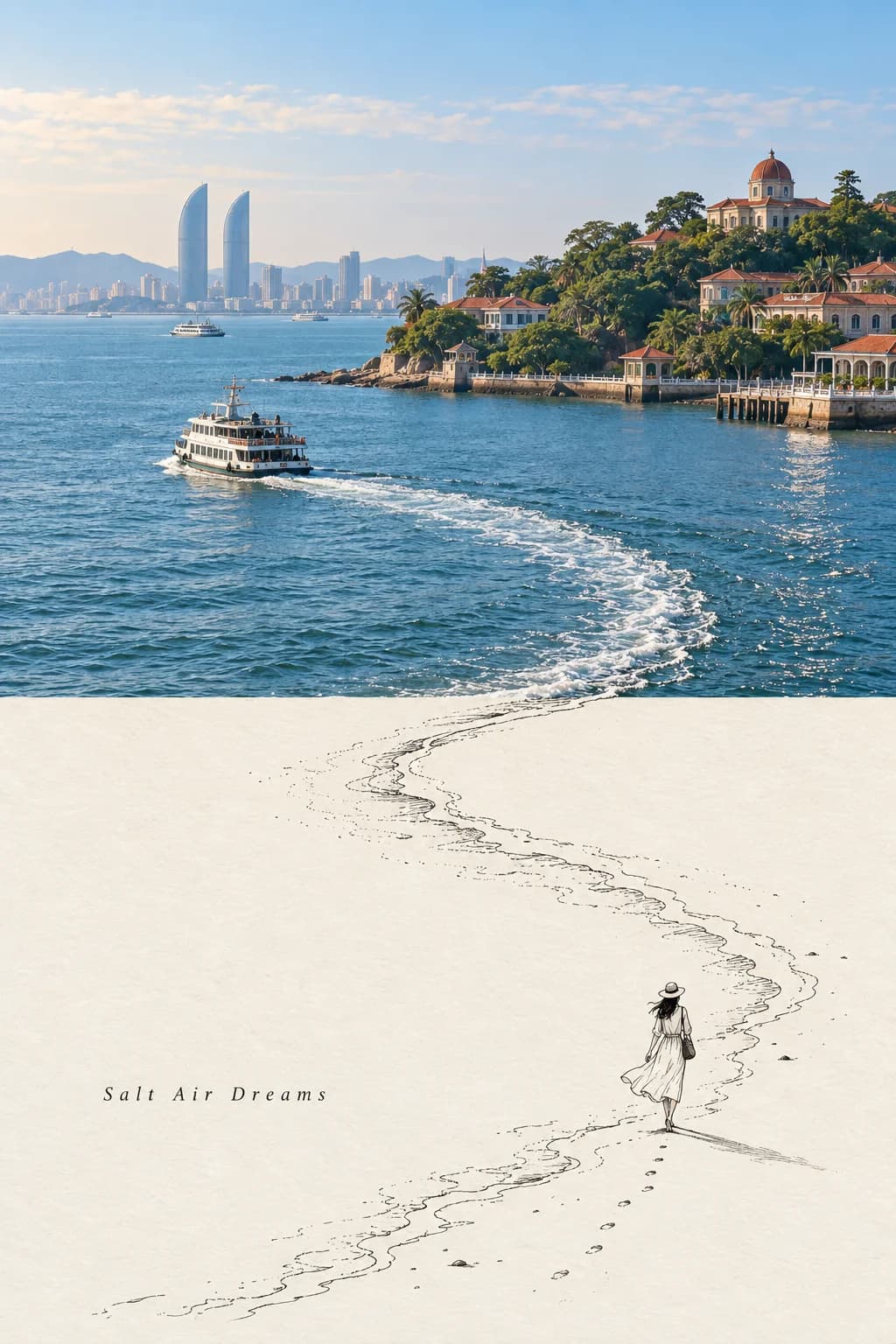
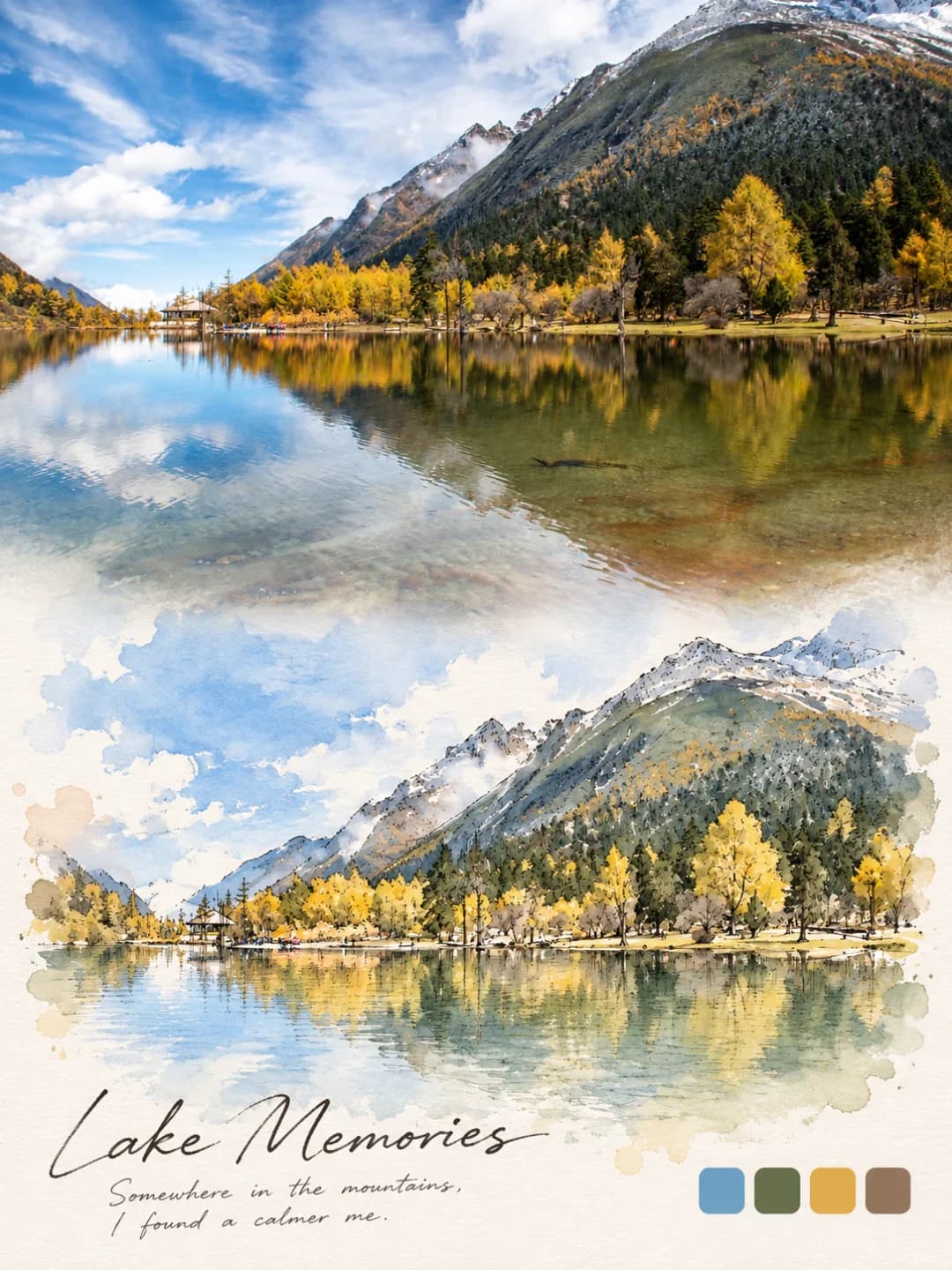
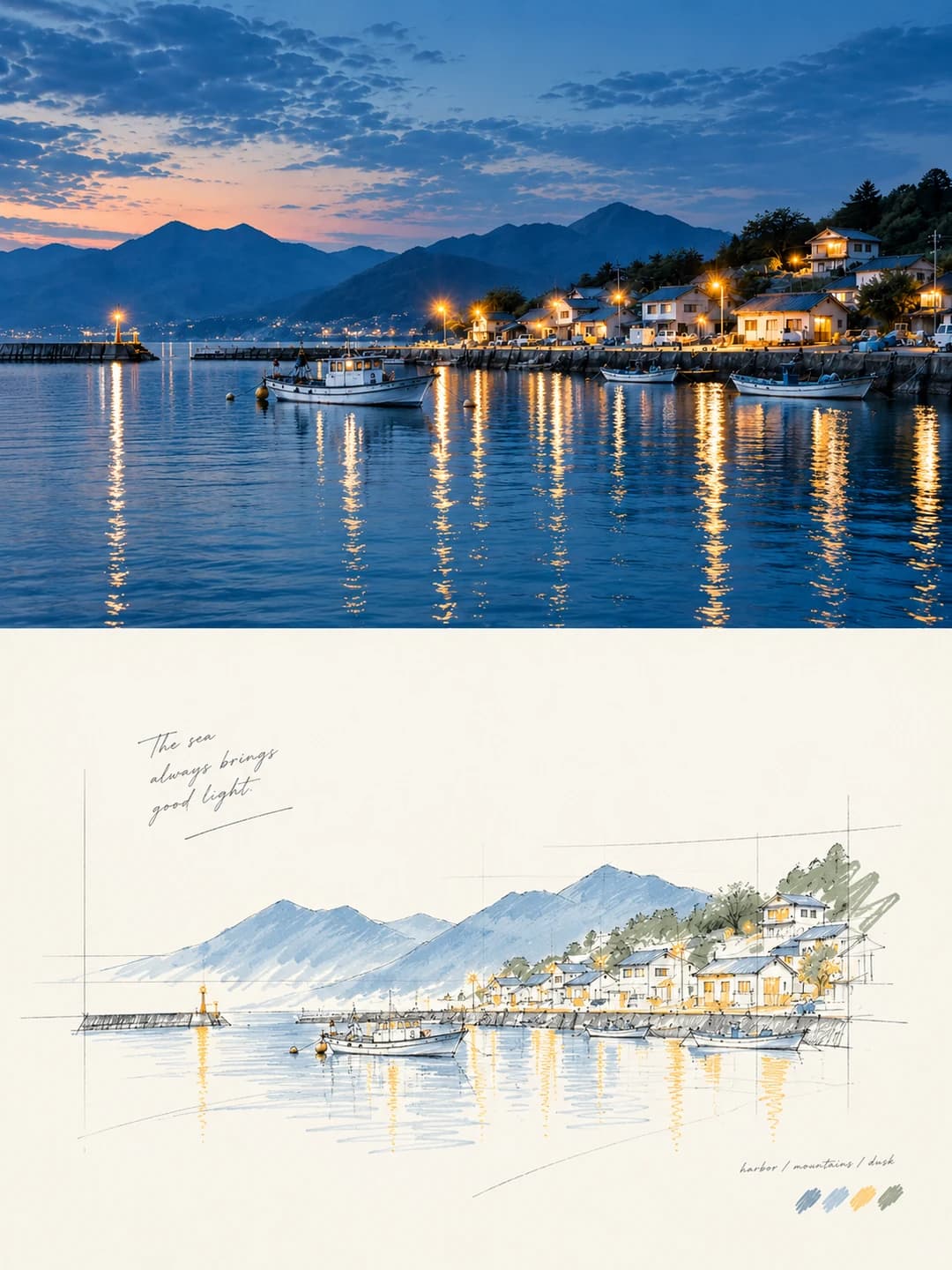
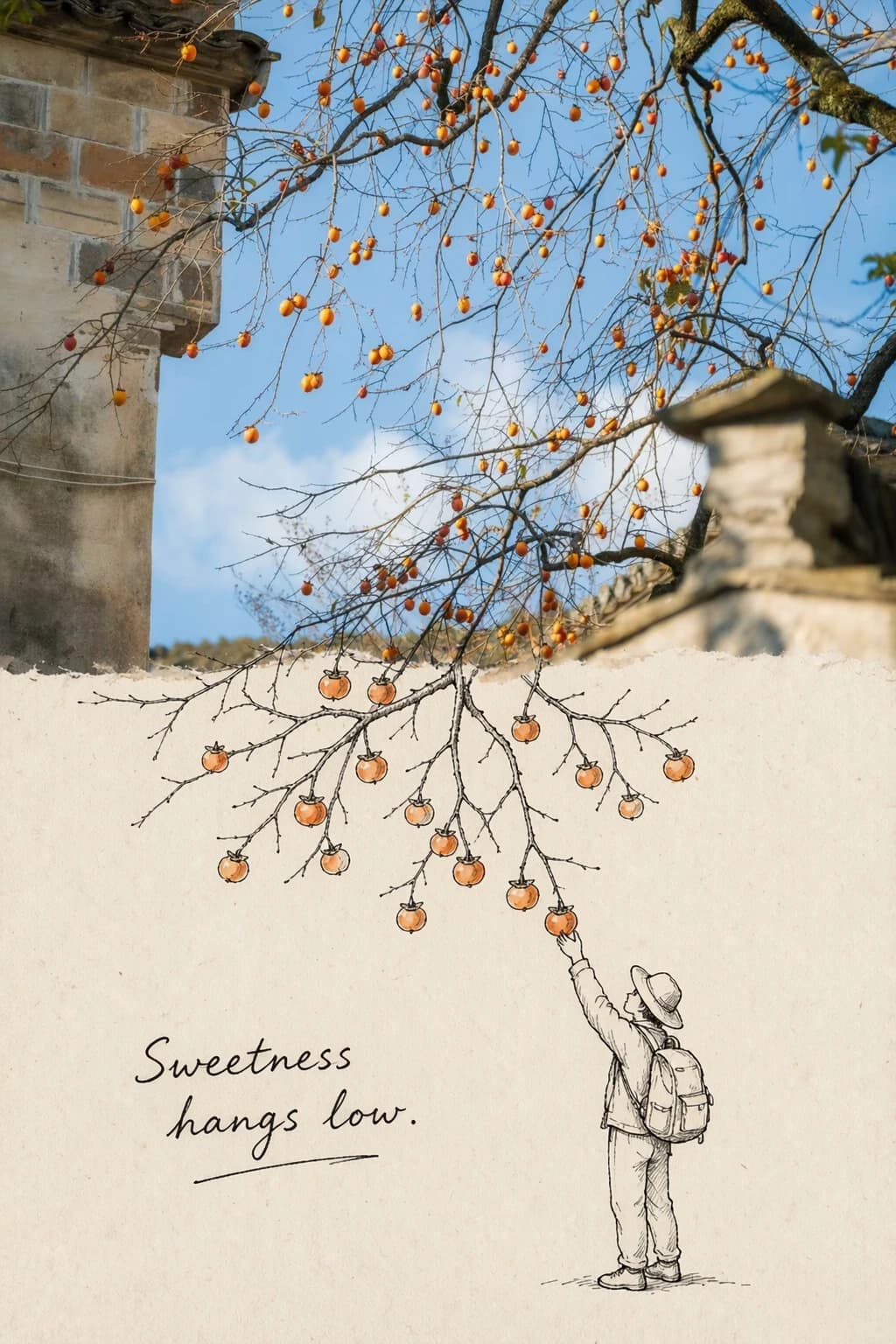
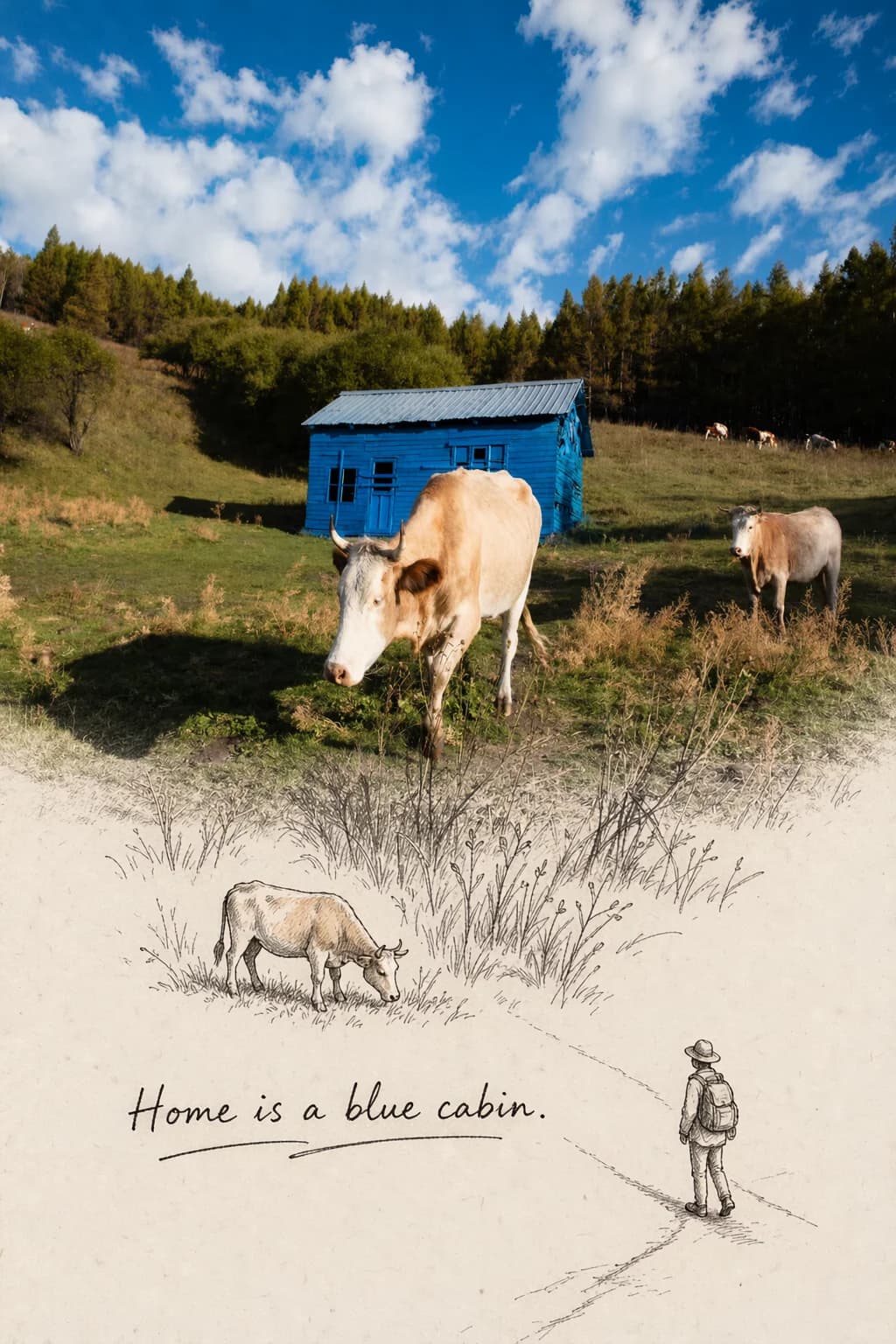
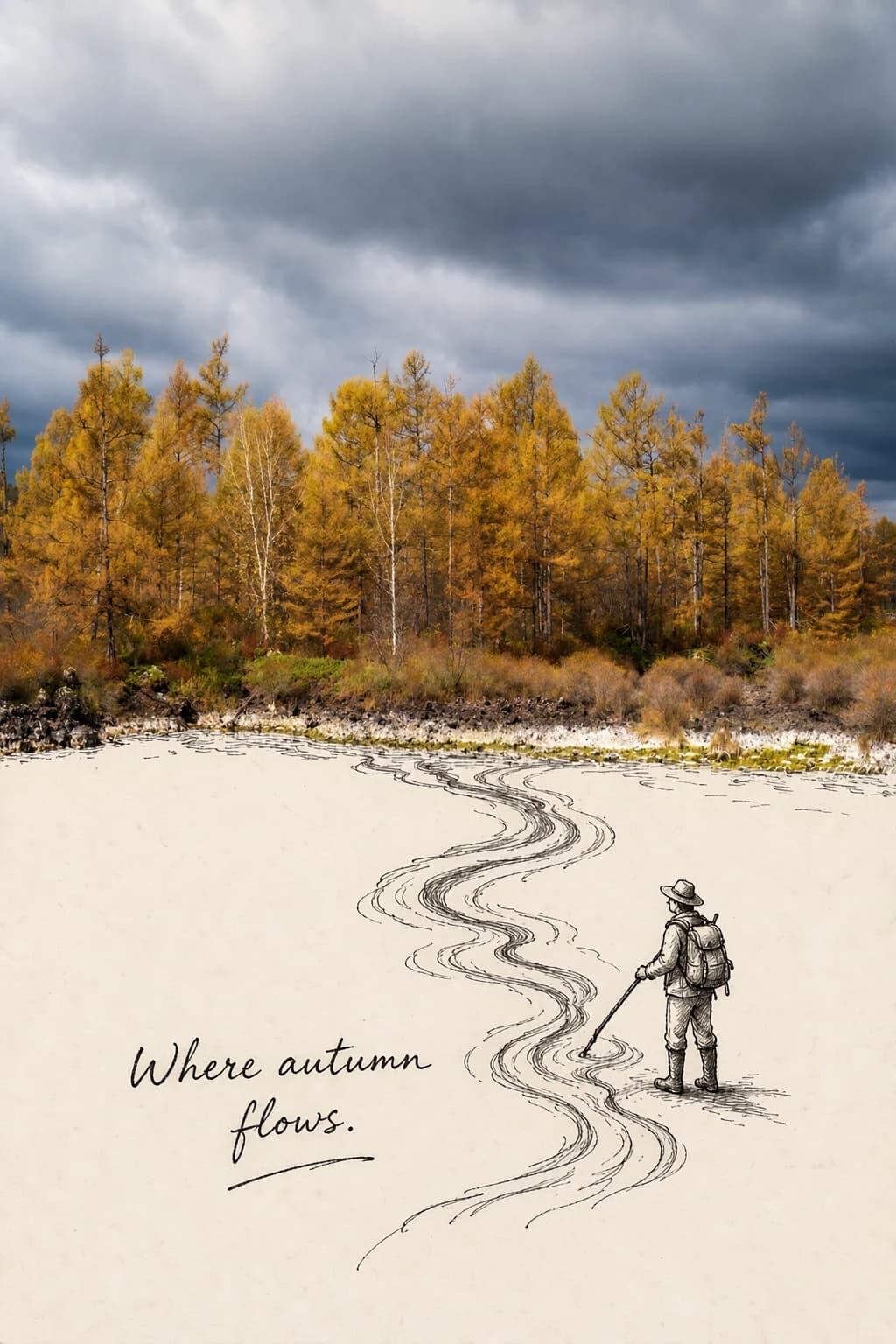
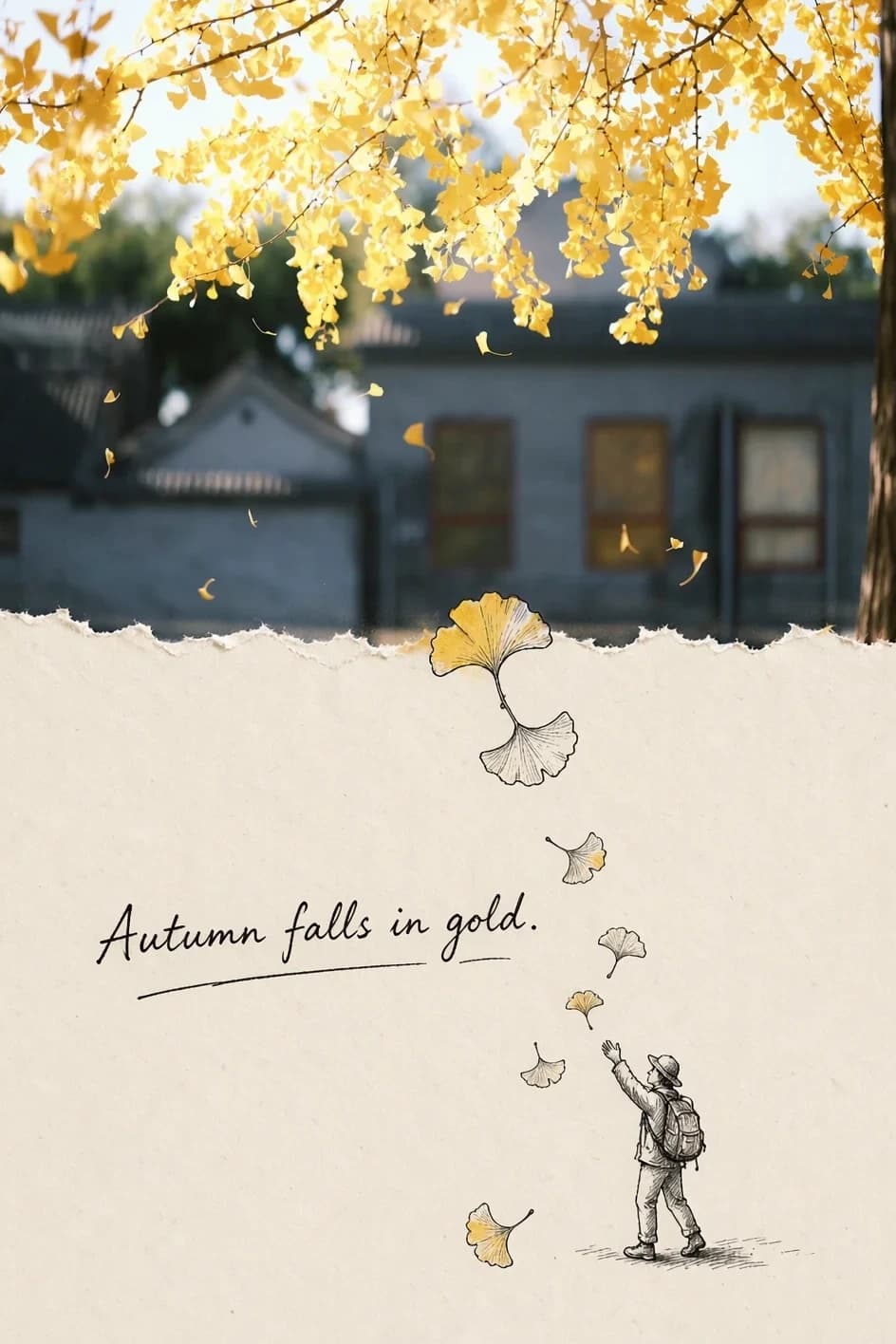
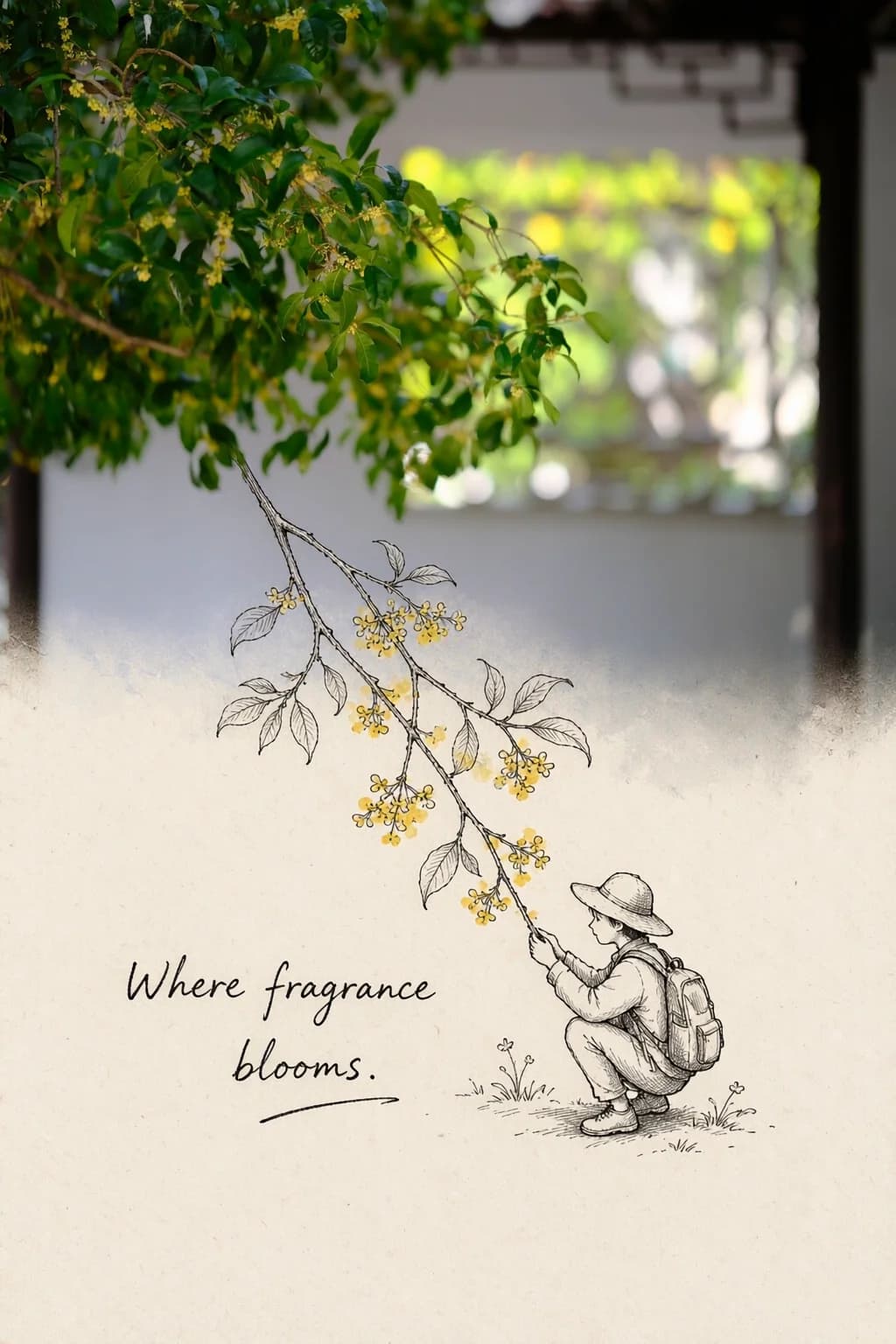
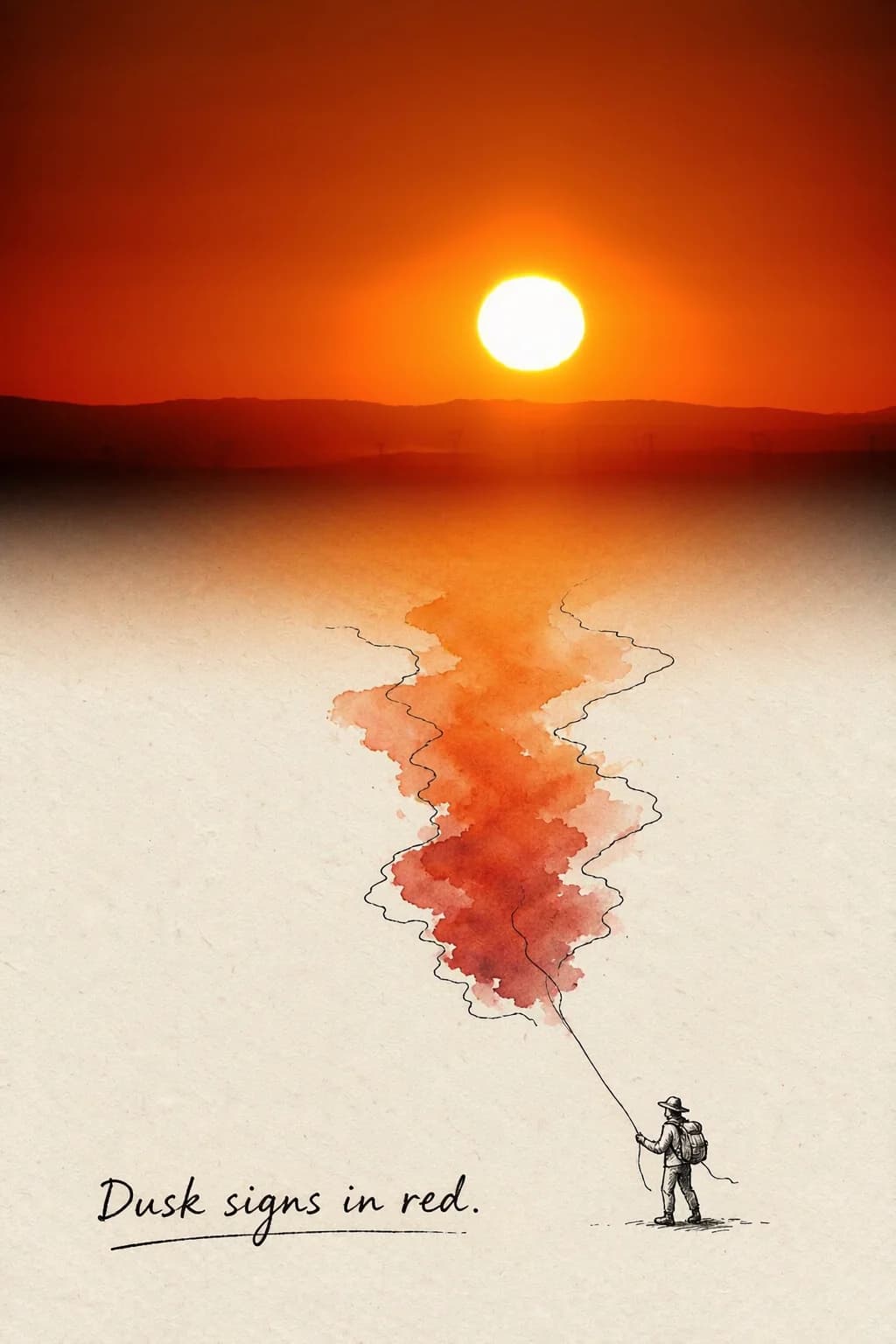
Upload a travel photo and get back a 2:3 poster: the photo across the top above a soft torn-paper edge, and on warm off-white paper below, one thing from the photo — a branch, a stream, a falling leaf — carried on as black pen line drawing with a light watercolour wash. A small sketched traveller in a hat and backpack stands in the lower right, interacting with it, next to a short handwritten line.
100 credits per image · about a minute · New accounts get 500 credits — 5 free images.
Try it with your own photo
New accounts get 500 credits — 5 free images.
Examples
Every image below was made with the prompt on this page.
What is a Sketch Traveler Poster?
A sketch traveler poster is a 2:3 vertical image in two materials. The top part is your photo, left as it is, ending in a slightly ragged torn-paper edge rather than a straight cut. Below is plain warm off-white paper. Exactly one element from the photo crosses that edge: above it is still photographic, below it becomes black pen line art tinted with watercolour in its own colour — persimmons stay orange, ginkgo stays yellow. The rest of the paper is left empty except for a small hand-drawn backpacker in the lower right who is touching, picking, following or looking up at that element, and a short handwritten phrase with a flourished underline.
Which photos work well?
Trip photos with one clear thing that could reach down the page: a branch of fruit or blossom, a tree in autumn colour, a stream or a river bank, a path, a row of objects along a wall, the sun low over a horizon. Landscape-shaped photos fit the top area best. Strong single colours — orange persimmons, yellow ginkgo, red sunset — make the watercolour wash read well.
Which photos struggle?
Portraits and group photos: the top half keeps people as they are, but the drawing below wants a thing to continue, and a face cannot sensibly turn into line art. Very busy scenes with no obvious single element give the model nothing clean to carry over, and it may pick something odd. If you want the whole scene redrawn as a sketch rather than one element, the watercolor journal poster or the architectural sketch poster suit better; for pure black ink with no colour and a centred split, try the line art travel poster.
How to turn a photo into a Sketch Traveler Poster
- 1
Pick an effect
Browse the samples on each tool page to see exactly what you will get before you spend anything.
- 2
Upload your photo
JPEG, PNG or WebP, up to 12 MB. Your photo stays private and is never used to train anything.
- 3
Add your own caption
Most effects let you set the text that appears in the final image, in any language.
- 4
Download the result
You get a high-resolution image, yours to use. 2K is 100 credits, 4K is 200.
The prompt behind this tool
This is the full prompt, translated into English. Copy it and use it with any image model that accepts a reference photo.
Using the photo I upload, create a story-telling "real photograph + hand-drawn cartoon" image, finished as a 2:3 vertical. It is a creative blend of photo and pen sketch, in a vertical composition. Top half: keep the original photo completely unchanged — the scene, the subject, the light and the original colours all stay as they are. The bottom half is a warm off-white paper background. The change from photo to paper should feel natural: the bottom edge of the photo is a slightly irregular, softly feathered torn-paper edge — not a hard straight cut, and not a wide misty fade. The only thing that crosses the boundary is one element chosen from the photo (a branch, a river, a road, falling leaves, a beam of light, or the photo's own subject): its upper part is still photographic, and its lower part has turned into black pen line drawing with a light watercolour wash in that element's own colour. Keep it sparse and minimal with plenty of empty space — no dense scenery and no full-page illustration. In the lower right is a small hand-drawn traveller in a hat with a backpack, interacting with that crossing element (reaching for it, walking along it, picking it, or looking up at it).

Add a short handwritten English phrase written for this photo in the empty space on the lower left, with a flourished underline beneath it.

Overall: minimal, poetic, in the style of a travel journal.
Frequently asked questions
Will it change my photo?
- The top part is meant to stay your photo — scene, subject, light and colours — with only its bottom edge torn. Image models sometimes redraw a photo anyway, so check the top before you use the poster and run it again if it is not your picture.
How does it choose what to draw below the edge?
- The model picks one element from your photo that can plausibly continue downwards: a branch, a stream, a path, falling leaves, the colour of a sunset. You cannot pick it yourself, but you can steer it by choosing a photo where one such thing is obvious.
Where does the watercolour come from?
- From the element itself. The prompt asks for black pen line art tinted in that element's own colour, so persimmons come out orange and ginkgo leaves yellow. Everything else on the paper stays black line or bare.
Can I write my own line?
- Yes, and it is the more reliable option. Type up to 32 characters and the model is told to copy them exactly, without quotes or extra words. Leave it blank and the model writes a short English phrase of its own, which reads well most of the time but is not guaranteed to be spelled perfectly.
What language can the line be in?
- Any, but the hand-lettered script style suits short English phrases best, which is what the original creator used. Chinese or Japanese will be written in a handwriting style too, and longer lines get crowded.
What size do I get, and how long does it take?
- A 2:3 vertical image: 2K for 100 credits or 4K for 200. Most come back in under a minute; a few take up to a minute and a half.
Can I use my own prompt instead?
- Not on this page. The full prompt is shown above, so you can copy it and use it elsewhere.
What happens to my photo?
- It is stored privately, used only to make your image, deleted on a schedule, and never used for training.